
- Our Services
Technical Translations
Certified Translations
Specialisations
- Languages
- Rates
- References
- About Us
- Methods
If nature and retreat is your way to get out of the hustle and bustle of the cities, you can visit one of Haiti’s many lakes, waterfalls, mountains, or beaches.

Eric Chappell
Operations Manager
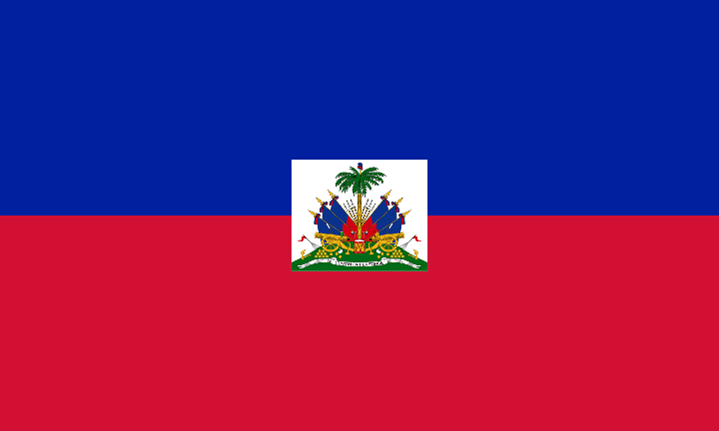
Official Name: Republic of Haiti
Population: 11.4 million
Capital: Port-au-Prince
Official Language(s): French, Haitian Creole
Currency: Haitian Gourde
Area: 27,750 sq.km
The island of Hispaniola in the Caribbean Sea is divided into two countries. On the east is the Dominican Republic, and on the west is Haiti. While its neighbour enjoys a booming tourism sector bringing in 17% of its GDP, Haiti has been crippled by debt, political instability, and natural disasters, hindering its development. As the poorest country in the Caribbean and among the poorest in the world, roughly 60% of its population lives in poverty. Haiti also relies on foreign aid for food, healthcare, and reconstruction efforts after major weather disasters. From the 1950s to the early 2000s, the country sees multiple dictators and ‘elected’ officials followed by assassinations, military coups, and exiles. For the next 20 years, Haiti is ravaged by hurricanes, earthquakes, and a cholera outbreak, further destabilising the country and leaving hundreds of thousands of people homeless. In 2020, COVID-19 lockdowns add to income loss and food insecurity, while political turmoil provokes a constitutional crisis leading to the assassination of President Moïse in 2021, causing an increase in violence in the country.
 The typical meal consists of staples such as rice, beans, sweet potatoes, bananas and plantains, cassava, maize, and taro, a tropical tuber. When resources permit, Haitians prepare food with locally grown spices such as thyme, oregano, cloves, and black pepper, however many of the country’s urban poor have difficulty obtaining basic foodstuffs and adequate amounts of potable water.
Locals gather in towns as a community, forming informal-sector employment for thousands of people each day, working in street markets, small workshops, and food stalls. On almost every corner you will find a stall selling fritay, or fried pieces of fish, pork, or plantains. There is no social security or personal income tax this way, and many children are paid near-starvation wages to perform the most menial of tasks. Many Haitians prefer this method and work in the slums of the capital Port-au-Prince where the hours are long, and the pay is little but as a way to make ends meet in comparison to the meagre living from remote hillside farms with eroded soil and infertile plots.
The typical meal consists of staples such as rice, beans, sweet potatoes, bananas and plantains, cassava, maize, and taro, a tropical tuber. When resources permit, Haitians prepare food with locally grown spices such as thyme, oregano, cloves, and black pepper, however many of the country’s urban poor have difficulty obtaining basic foodstuffs and adequate amounts of potable water.
Locals gather in towns as a community, forming informal-sector employment for thousands of people each day, working in street markets, small workshops, and food stalls. On almost every corner you will find a stall selling fritay, or fried pieces of fish, pork, or plantains. There is no social security or personal income tax this way, and many children are paid near-starvation wages to perform the most menial of tasks. Many Haitians prefer this method and work in the slums of the capital Port-au-Prince where the hours are long, and the pay is little but as a way to make ends meet in comparison to the meagre living from remote hillside farms with eroded soil and infertile plots.
 November starts off the month with Fèt Gede, or the traditional Haitian Day of the Dead. This is celebrated by practitioners of vodou with a street parade whereby people dress up and paint their faces, dance around and perform rituals in cemeteries to honour the deceased. Mid November hosts Le Festival du Rhum where tastings, workshops and cooking demonstrations highlight Haiti’s most famous export, rum. Late February to March is Carnival season. Like many other nations around the world, many celebrations and street parades are held over several weeks leading up to Mardi Gras.
. As an island nation, the country also has smaller islands in its surroundings such as Labadee—only a short boat ride away from Cap-Haïtien—which is great for featuring its crystal-clear waters and coral reefs, and perfect for private excursions and snorkelling. Only a few kilometres outside of the town of Jacmel is Bassin Bleu, said to be one of the most beautiful sites in Haiti. There are several waterfalls that cascade over the rocky terrain in this natural gateway, forming many pools of turquoise water below for a truly unforgettable swimming experience.
If Haiti was not on your travel radar within the next few years, it definitely should be. Even after years of hardships, the people remain warm and friendly and are working together to rebuild their charming nation.
November starts off the month with Fèt Gede, or the traditional Haitian Day of the Dead. This is celebrated by practitioners of vodou with a street parade whereby people dress up and paint their faces, dance around and perform rituals in cemeteries to honour the deceased. Mid November hosts Le Festival du Rhum where tastings, workshops and cooking demonstrations highlight Haiti’s most famous export, rum. Late February to March is Carnival season. Like many other nations around the world, many celebrations and street parades are held over several weeks leading up to Mardi Gras.
. As an island nation, the country also has smaller islands in its surroundings such as Labadee—only a short boat ride away from Cap-Haïtien—which is great for featuring its crystal-clear waters and coral reefs, and perfect for private excursions and snorkelling. Only a few kilometres outside of the town of Jacmel is Bassin Bleu, said to be one of the most beautiful sites in Haiti. There are several waterfalls that cascade over the rocky terrain in this natural gateway, forming many pools of turquoise water below for a truly unforgettable swimming experience.
If Haiti was not on your travel radar within the next few years, it definitely should be. Even after years of hardships, the people remain warm and friendly and are working together to rebuild their charming nation.